How to Use an Electric Toothbrush the Right Way
Key Takeaways
- Choose an electric toothbrush with soft bristles and features that support comfortable, consistent brushing.
- Divide your mouth into four sections and spend about 30 seconds cleaning each area.
- Guide the electric toothbrush slowly instead of scrubbing aggressively, allowing the powered brush head to do most of the work.
- Pay close attention to the gumline, inside surfaces, chewing surfaces, and hard-to-reach back teeth.
- Brush for about two minutes twice daily with fluoride toothpaste while avoiding excessive pressure.
- Clean between your teeth daily because brushing alone cannot reach every tight space.
- Rinse and store your toothbrush properly and replace the brush head every three to four months or when worn.
Brushing your teeth is one of the most important parts of your daily oral hygiene routine. It removes food particles and plaque from tooth surfaces while helping protect your teeth and gums. Although a regular manual toothbrush can work well when used correctly, many people prefer an electric toothbrush.
Electric toothbrushes use powered movements to help clean your teeth. Depending on the model, the brush head may rotate, oscillate, vibrate, or move in another pattern. Some brushes also include timers, pressure sensors, different cleaning modes, or reminders to replace the brush head.
However, an electric toothbrush still needs to be used properly. Pressing too hard, moving too quickly, or missing certain areas can make brushing less effective. You also need to give the brush enough time to clean each section of your mouth.
Fortunately, learning how to use an electric toothbrush is simple. Once you understand the basic technique, it can easily become part of your morning and evening routine.
Here is how to use an electric toothbrush correctly and avoid common brushing mistakes.
1. Choose a Toothbrush That Is Comfortable to Use
The best electric toothbrush is one you can use comfortably and consistently.
Electric toothbrushes come in many designs and price ranges. Some have small round heads, while others have longer brush heads. Features can include built-in timers, pressure sensors, rechargeable batteries, multiple cleaning settings, and smartphone connections.
You do not necessarily need the most expensive model. Focus on features that will actually help you brush properly.
A two-minute timer can be useful if you tend to brush too quickly. A pressure sensor may help if you often press the toothbrush hard against your teeth and gums.
Look for a brush head that fits comfortably inside your mouth and allows you to reach your back teeth.
Soft bristles are generally a good choice because aggressive brushing with harder bristles may irritate gums or contribute to tooth wear.
If you have braces, dental restorations, sensitive teeth, gum problems, or other specific oral health concerns, ask your dentist whether a particular toothbrush or brush head would be appropriate.
2. Apply the Right Amount of Fluoride Toothpaste
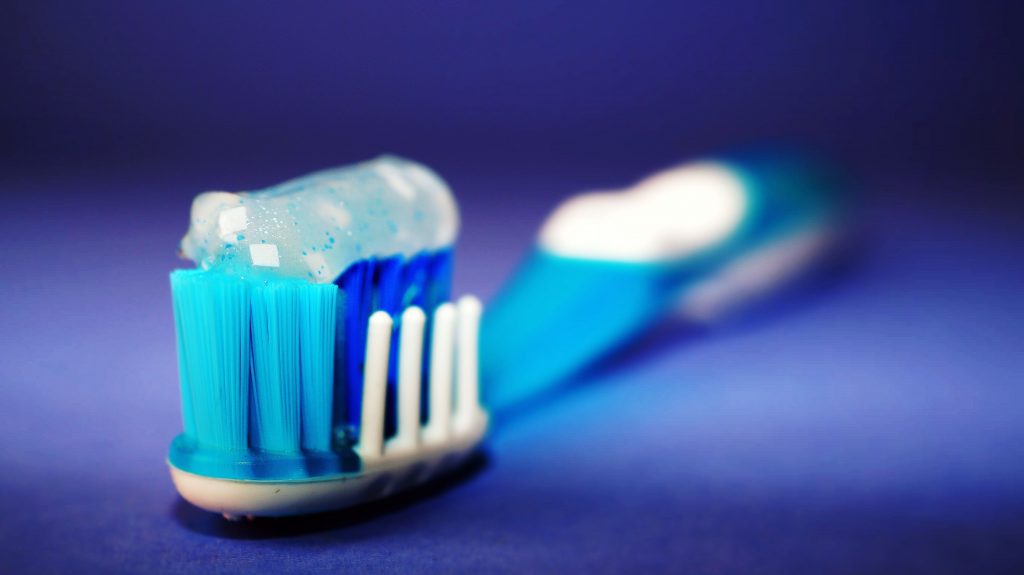
You do not need to cover the entire brush head with toothpaste.
For most adults, a pea-sized amount of fluoride toothpaste is enough for regular brushing. Fluoride helps strengthen tooth enamel and protect against cavities.
Place the toothpaste on the brush before turning the toothbrush on. Putting the brush in your mouth first can help prevent toothpaste from splattering when the motor starts.
Some electric toothbrushes create more movement and foam than manual brushes. Using too much toothpaste can make brushing messy and may encourage you to spit before you have brushed for the full recommended time.
Children may need different amounts of toothpaste based on their age. Parents and caregivers should follow professional guidance for age-appropriate fluoride toothpaste use.
If you are unsure which toothpaste is best for concerns such as sensitivity, cavities, or gum health, ask your dentist for advice.
3. Divide Your Mouth Into Four Sections
A simple way to avoid missing teeth is to divide your mouth into four sections, often called quadrants.
Think of your mouth as having an upper right, upper left, lower right, and lower left section.
Spend about 30 seconds brushing each section. This adds up to the recommended two minutes.
Many electric toothbrushes have built-in timers that signal every 30 seconds, making it easier to know when to move to another area.
Within each section, remember that every tooth has several surfaces that need attention. Brush the outer surfaces facing your cheeks or lips, the inner surfaces facing your tongue, and the chewing surfaces of your back teeth.
Following the same order each time can make brushing more consistent. For example, always start with the upper right section and work around your mouth in the same direction.
A routine reduces the chance that you will repeatedly brush easy-to-reach teeth while forgetting harder-to-reach areas.
4. Let the Electric Toothbrush Do the Work
One of the biggest differences between manual and electric brushing is how much movement you need to create yourself.
With a manual toothbrush, your hand produces the brushing motion. An electric toothbrush already provides much of that movement.
Place the brush head against the tooth and guide it slowly from one tooth to the next. You generally do not need to scrub aggressively back and forth.
Depending on the shape of your brush head, you may hold it briefly against each tooth or guide it gradually along the tooth surfaces. Follow the instructions provided with your specific toothbrush.
Move slowly enough to give the powered bristles time to clean.
Avoid rushing across several teeth at once. Moving too quickly may leave plaque behind, especially near the gumline and around back teeth.
Your job is mainly to position and guide the toothbrush. Letting the powered brush perform its intended motion can make brushing easier and reduce unnecessary scrubbing.
5. Pay Close Attention to the Gumline
Plaque often collects where your teeth and gums meet, so this area needs regular cleaning.
Position the bristles so they can clean along the gumline without pressing aggressively into your gums. The exact angle may depend on the toothbrush design, so follow the manufacturer’s directions and your dental professional’s recommendations.
Guide the brush slowly along the outer and inner surfaces of your teeth.
Do not avoid the gumline because your gums bleed. Bleeding may occur for several reasons, including gum inflammation or overly aggressive brushing. Persistent bleeding should be discussed with a dental professional rather than ignored.
Gentle brushing is important. More pressure does not automatically mean cleaner teeth.
If your toothbrush has a pressure sensor, pay attention when it activates. It is designed to alert you when you may be pressing too hard.
Consistent, gentle cleaning around the gumline is more useful than forceful scrubbing.
6. Brush the Inside Surfaces of Your Teeth
The outside surfaces of the teeth are easy to see, so they often receive the most attention. The inside surfaces can be easier to forget.
Slowly guide the electric toothbrush along the inside of your upper and lower teeth.
The area behind the lower front teeth deserves special attention because plaque and tartar can build up there. Saliva ducts located nearby contribute minerals that can encourage tartar formation.
You may need to change the position of the handle to reach these surfaces comfortably. For the front teeth, holding the brush more vertically may help you position the brush head effectively.
Do not rush simply because these surfaces are less visible.
Use your tongue to notice how the teeth feel after brushing. While this is not a substitute for a dental examination, rough areas may remind you to spend more time cleaning spots you often miss.
Following the same brushing pattern every day can help ensure inside surfaces receive regular attention.
7. Clean the Chewing Surfaces of Back Teeth
Molars and premolars have grooves and pits that help you chew food. These surfaces can trap food particles and plaque.
Place the electric brush head on the chewing surfaces of your back teeth and guide it slowly across them.
Pay attention to the last molars, which may be difficult to reach. Open your mouth enough to position the toothbrush comfortably without forcing the brush against your cheek.
If you have wisdom teeth that are only partly erupted, cleaning around them may be especially challenging. Food and plaque can collect around areas that are difficult to reach.
Ask your dentist for advice if you regularly struggle to clean around a particular tooth.
Children may also need help reaching their back teeth and brushing long enough. Good children’s dental care includes supervision and brushing assistance until a child has developed the skills needed to clean every tooth effectively.
Do not assume that brushing the visible front teeth is enough. Your back teeth need just as much attention.
8. Brush for a Full Two Minutes

It is easy to overestimate how long you spend brushing.
Two minutes can feel surprisingly long when you actually measure it. Without a timer, some people may finish much sooner.
Most electric toothbrushes make timing easier. Many models automatically track two minutes or provide signals every 30 seconds.
Use those signals to divide your brushing time evenly among the four sections of your mouth.
Brushing longer is not necessarily better if you are using excessive pressure. The goal is thorough and gentle cleaning, not aggressive brushing for as long as possible.
In general, teeth should be brushed twice a day for about two minutes each time using fluoride toothpaste.
Make brushing part of a regular routine. For many people, that means brushing in the morning and again before bed.
The nighttime brushing session is especially important because it removes plaque and food debris that have collected during the day.
9. Avoid Pressing Too Hard
More pressure does not mean better cleaning.
Pressing an electric toothbrush too firmly against your teeth can bend the bristles and may prevent them from moving as designed. Aggressive brushing can also irritate gum tissue and contribute to wear over time.
Hold the toothbrush with a comfortable grip rather than squeezing the handle tightly.
Guide the brush gently and allow the powered motion to clean the surface.
If your toothbrush includes a pressure sensor, learn what its warning looks or feels like. Some brushes flash a light, change vibration, or produce another signal.
Also examine the brush head regularly. Bristles that quickly become flattened or spread outward may suggest that you are using too much force.
If you have tooth sensitivity or notice changes around your gumline, discuss them with your dentist. Do not simply brush harder because you think the teeth need additional cleaning.
Good brushing depends more on technique, coverage, and consistency than force.
10. Do Not Forget Between Your Teeth
An electric toothbrush can clean many tooth surfaces, but it cannot completely clean every tight space between your teeth.
Plaque and food can collect where toothbrush bristles do not reach well.
Clean between your teeth daily using floss or another interdental cleaning method recommended by your dental professional. Depending on your needs, options may include traditional dental floss, floss holders, interdental brushes, or water flossers.
The right method may depend on spacing between your teeth, dental work, braces, gum health, and your ability to use the product comfortably.
Take your time when cleaning between teeth. Avoid snapping floss forcefully into the gums.
Brushing and interdental cleaning work together. Using an electric toothbrush does not eliminate the need to clean between your teeth.
If you are unsure how to floss correctly or which interdental product to use, ask your dentist or dental hygienist to demonstrate the technique.
11. Clean and Store the Toothbrush Properly
Your electric toothbrush also needs basic care.
After brushing, rinse the brush head thoroughly to remove toothpaste and debris. Follow the manufacturer’s instructions for cleaning the handle and other parts.
Store the toothbrush in an upright position where the brush head can air-dry when possible. Avoid regularly storing a wet brush head in a tightly sealed container unless the manufacturer specifically recommends it.
If several people in your household use the same electric toothbrush model, each person should have an individual brush head. Do not share brush heads.
Keep the charging base and electrical components away from unnecessary water exposure and follow the product’s safety instructions.
Travel cases can help protect the toothbrush during trips, but allow the brush head to dry when possible before storing it for an extended period.
Keeping the toothbrush clean and properly stored helps maintain the tool you rely on for daily oral hygiene.
12. Replace the Brush Head Regularly
Electric toothbrush heads do not last forever.
Over time, bristles become worn, bent, or frayed. Worn bristles may not clean as effectively as a brush head in good condition.
A common recommendation is to replace a toothbrush or electric brush head about every three to four months, or sooner if the bristles become visibly worn.
Some brush heads include indicator bristles that fade to remind you when replacement may be needed. Certain electric toothbrushes also track usage and provide replacement reminders.
Check that you are purchasing brush heads that are compatible with your toothbrush model.
If your brush heads wear out much faster than expected, review your brushing pressure. Pressing too hard can cause bristles to spread or flatten prematurely.
Make replacement easier by keeping an extra brush head available at home or setting a reminder on your phone or calendar.
Conclusion
An electric toothbrush can be a helpful tool for keeping your teeth clean, but the toothbrush cannot do everything automatically. Good results still depend on proper technique and consistent habits.
Use a comfortable brush with soft bristles and fluoride toothpaste. Divide your mouth into sections, spend about 30 seconds on each area, and brush for a total of approximately two minutes. Guide the toothbrush slowly across the outer, inner, and chewing surfaces of every tooth.
Avoid pressing too hard or rushing from one area to another. Pay close attention to the gumline and hard-to-reach back teeth, and remember that brushing does not replace cleaning between your teeth.
Take care of the toothbrush as well. Rinse the brush head after use, store it properly, and replace it when the bristles become worn or about every three to four months.
Most importantly, combine good home care with regular dental visits based on your individual needs. If you have persistent bleeding, pain, sensitivity, or difficulty cleaning certain areas, speak with a dental professional. Using your electric toothbrush correctly every day can help make your oral hygiene routine more thorough, comfortable, and consistent.