Choosing the Right Pediatric Dentist for Your Childs Care

Selecting the right dental provider for a child is a decision that affects comfort, confidence, and long-term oral health. Parents are not just choosing a place for cleanings, but a care partner who will guide their child through multiple developmental stages. The right choice can reduce anxiety, prevent avoidable issues, and establish positive habits early. This guide walks parents through how to evaluate options carefully and make an informed, confident decision.
For many families, early dental experiences shape how children view oral care well into adulthood. A positive first impression can help children feel safe, understood, and willing to participate in their own care. Conversely, rushed visits or poor communication can lead to fear, resistance, and missed appointments. Understanding this long-term impact helps parents approach the selection process with intention rather than urgency.
Children’s dental needs are not static. What matters for a toddler learning basic hygiene differs greatly from the needs of a school-aged child or teenager. A well-chosen provider adapts to these changes, offering guidance that aligns with growth, behavior, and emotional development. Parents benefit most from a provider who plans and explains how today’s decisions support future health.
Practical considerations also play a role. Scheduling flexibility, emergency availability, and clear communication can make dental care easier to manage within busy family routines. Parents should feel confident asking questions, expressing concerns, and participating in care decisions. When expectations are clear on both sides, families are more likely to stay consistent with appointments and recommendations.
This article is designed to help parents evaluate dental providers beyond surface-level factors. By understanding what to look for in training, philosophy, environment, and communication style, families can choose care that truly fits their child. The goal is not just healthy teeth, but a positive, supportive experience that grows with the child over time.
Understanding Your Child’s Dental Needs at Different Ages
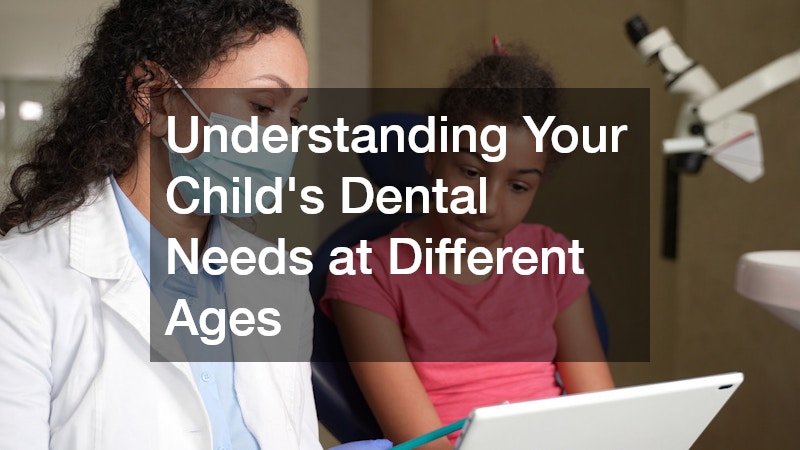
Children’s dental needs evolve quickly, and understanding those changes helps parents choose care that matches each stage of development. Infants and toddlers benefit most from gentle monitoring, early hygiene education, and risk assessment. As children grow, preventive care expands to include cavity monitoring, bite evaluation, and guidance on habits like thumb-sucking or pacifier use. Teen years introduce more complex considerations such as alignment, sports protection, and long-term planning.
A pediatric dentist is trained to recognize age-specific concerns and anticipate how early conditions may affect future oral health. These providers focus on growth patterns, behavioral development, and comfort techniques tailored to children. Parents should look for someone who explains not only what care is needed now, but why certain decisions matter later. This forward-looking approach helps families avoid rushed or reactive treatments.
In some cases, a general dentist may provide care for children, especially in areas with limited access. However, parents should understand when referrals are recommended and what additional expertise may be needed. Asking how the practice handles transitions between developmental stages offers insight into whether the provider can support a child long term. Clear communication around these expectations is essential.
Evaluating Training, Credentials, and Pediatric Experience
Specialized training matters when it comes to children’s dental care. Parents should look beyond basic licensing and ask about advanced education, certifications, and hands-on pediatric experience. Providers who routinely treat children are more adept at managing fear, explaining procedures clearly, and adjusting techniques to smaller mouths. These skills directly affect treatment outcomes and a child’s willingness to return for future visits.
A pediatric preventive dentist in Trumbull, for example, typically completes additional residency training focused on child development and preventive strategies. This background supports early intervention and risk-based care rather than reactive treatment. Parents should feel comfortable asking where and how a provider was trained, as well as how often they treat children of similar ages. Experience with a wide range of cases is often a strong indicator of competence.
It is also helpful to ask how staff members are trained. Dental assistants, hygienists, and front-desk staff all contribute to the child’s experience. A well-trained team reinforces consistency and helps children feel safe throughout each visit. Observing how staff interact with young patients during an initial consultation can be very telling.
Assessing Preventive Care Philosophy and Treatment Approach

A strong preventive philosophy reduces the need for invasive procedures later. Parents should look for practices that emphasize education, early detection, and routine monitoring. Preventive care often includes regular cleanings, fluoride treatments when appropriate, and guidance on brushing and diet. These steps work together to protect developing teeth.
Seemingly small details can reveal how child-focused a practice truly is. The careful use of cotton during cleanings, for instance, helps manage moisture while keeping young patients comfortable. Attention to comfort signals that the provider values the child’s experience, not just efficiency. Parents should notice whether the provider explains each step in simple, reassuring language.
Preventive discussions should extend beyond the chair. Practices that offer take-home guidance, demonstrate brushing techniques, and tailor advice to a child’s habits tend to deliver better outcomes. Parents benefit when they understand how daily routines support professional care. This collaborative approach builds trust and consistency between visits.
Reviewing Common Treatments and Long-Term Planning Options
Even with excellent preventive care, some children will require restorative treatment. Parents should understand how a provider approaches cavities, damaged teeth, and structural concerns. Asking about materials, durability, and how treatments adapt as a child grows can clarify expectations. Transparency around these topics reduces stress when treatment becomes necessary.
Long-term planning is especially important for children who experience early tooth loss or trauma. In certain cases, providers may discuss how dental implants fit into future treatment considerations once growth is complete. While not immediately relevant for young children, this type of planning shows foresight. Parents benefit from knowing that current decisions align with long-term oral health goals.
Providers should also explain alternatives and timing clearly. Not every issue requires immediate intervention, and watchful monitoring is sometimes the best approach. A thoughtful provider will outline options, explain risks, and involve parents in decision-making. This balance of expertise and collaboration is a strong indicator of quality care.
Understanding Location-Specific Services and Availability
Access and convenience play a major role in consistent care. Parents should consider how easy it is to schedule appointments, manage emergencies, and maintain regular visits. Practices that offer common services locally reduce disruption to school and family routines. This practical consideration often influences long-term adherence to care plans.
For example, the availability of dental fillings in Dallas can be an important factor for families seeking timely treatment without extensive travel. When routine procedures are accessible, children are more likely to receive care promptly. Parents should ask how the practice handles same-day or urgent needs. Reliable access minimizes stress during unexpected situations.
Some families may also consider practices that offer specialized restorative services in other locations. The ability to coordinate dental crowns in Montebello, for instance, can be helpful for families managing complex care plans. Understanding how a provider coordinates across locations or referrals adds clarity. Parents should seek clear explanations of logistics and communication.
Evaluating Orthodontic Awareness and Early Intervention

Early orthodontic awareness supports healthier development even before treatment is needed. Providers who monitor spacing, jaw growth, and bite alignment can identify concerns early. This does not always mean immediate correction, but rather informed observation. Parents benefit from knowing what to watch for as their child grows, including changes that may occur during rapid growth phases.
Discussions about braces should focus on timing, readiness, and long-term outcomes. Early guidance helps families plan financially and emotionally for future treatment. Providers should explain how habits, growth spurts, and genetics influence alignment. Clear explanations help parents understand why some issues are monitored rather than treated right away.
A thoughtful approach avoids unnecessary intervention while preventing avoidable complications. Parents should feel comfortable asking how often orthodontic assessments occur and what signs prompt action. When providers outline milestones and reassessment timelines, families gain clarity and confidence in the care plan.
Coordinated Care with Other Child Health Providers
Oral health does not exist in isolation from overall health. Coordination between dental providers and pediatricians supports comprehensive care. This collaboration is particularly important for children with medical conditions, developmental considerations, or medication needs. Shared information improves safety and treatment planning, especially when care decisions affect multiple aspects of a child’s health.
Pediatricians often provide early guidance on oral development, nutrition, and habits. When dental providers communicate effectively with them, care becomes more cohesive and aligned. Parents should ask whether the practice shares records or consults with other healthcare professionals when needed. This openness signals professionalism and accountability.
Coordination also benefits parents by reducing conflicting advice. Consistent messaging across providers builds confidence and clarity. Families should prioritize practices that value collaboration as part of quality care and long-term health planning.
Assessing the Office Environment and Child-Focused Services
The physical environment of a dental office strongly influences a child’s comfort level. Child-friendly spaces, calm colors, and engaging distractions can reduce anxiety. Equally important is how staff greet and interact with children. Parents should observe whether communication feels respectful and age-appropriate.
Programs designed specifically for young children demonstrate commitment to early care. A structured preschool service often introduces dental visits in a gentle, educational way. These programs help children build familiarity and confidence before complex procedures are needed. Parents should ask what early-visit options are available.
Practical factors also matter. Appointment length, wait times, and scheduling flexibility all affect the experience. A well-run office respects family time while maintaining thorough care. These operational details often distinguish average practices from excellent ones.
Practical Questions Parents Should Ask Before Choosing

Before committing to a provider, parents should prepare thoughtful questions. Asking about treatment philosophy, emergency availability, and communication style reveals how the practice operates. Parents should also inquire about how treatment plans are explained and documented. Clear processes reduce misunderstandings.
Insurance compatibility and cost transparency are equally important. Parents benefit from understanding payment options, coverage limits, and expected expenses. Practices that explain costs upfront foster trust. This clarity allows families to plan without surprises.
Finally, parents should trust their instincts. Comfort, respect, and clear communication matter as much as credentials. A practice that welcomes questions and values parent involvement is more likely to support a positive long-term relationship.
Choosing the right dental provider for your child is ultimately about building a foundation for lifelong health, confidence, and trust. While credentials and services matter, the most important factor is how well the provider aligns with your child’s needs at each stage of development. A strong partnership goes beyond routine appointments and supports your child’s physical, emotional, and behavioral growth over time. When parents take the time to evaluate options carefully, they create an environment where dental care feels familiar rather than intimidating.
Throughout childhood, oral health needs change quickly. Providers who anticipate these changes and communicate them clearly help parents stay proactive rather than reactive. This forward-thinking approach reduces unnecessary stress and allows families to plan confidently for both short-term care and long-term outcomes. When children understand what to expect and why care matters, they are more likely to participate actively and develop healthy habits that last.
The day-to-day experience also plays a significant role. Consistent communication, respectful interactions, and a welcoming environment all contribute to a child’s comfort level. Parents should feel heard and supported, not rushed or dismissed. When families feel confident asking questions and discussing concerns, care becomes more collaborative and effective. Over time, this trust strengthens adherence to recommended visits and home-care routines.
Practical considerations such as scheduling, coordination with other providers, and cost transparency should not be overlooked. Dental care that fits smoothly into a family’s routine is easier to maintain consistently. When expectations are clear and logistics are manageable, parents are better equipped to prioritize preventive care rather than postponing visits. Consistency, in turn, supports better outcomes and fewer surprises.
Ultimately, the right choice is one that balances expertise with empathy. Parents should look for a provider who values education, prioritizes prevention, and adapts care as children grow. By focusing on long-term relationships rather than one-time appointments, families set their children up for positive experiences and healthier smiles well into adulthood.