Dental Implant Care Tips for Long-Term Success

A dental implant has become one of the most reliable and long-lasting solutions for replacing missing teeth. They are designed to function, look, and feel like natural teeth, offering patients improved confidence, better chewing ability, and long-term oral health benefits.
However, the success of a dental implant depends not only on the procedure itself but also on how well it is cared for over time. Patients searching for dental implant in Omaha, NE services are often encouraged to follow strict care routines to ensure lasting results and avoid complications.
Understanding How Dental Implants Work
A dental implant is a small titanium post placed into the jawbone to act as a replacement root for a missing tooth. Once it integrates with the bone, it provides a strong foundation for a crown, bridge, or denture. This fusion process is essential for long-term stability and can take several months to fully develop.
Because the implant becomes part of the jaw structure, it requires the same level of care as natural teeth. Patients receiving dental implant in Omaha, NE treatments are advised to treat their implants with consistent oral hygiene habits to ensure proper healing and long-term success.
Maintaining Proper Oral Hygiene
Good oral hygiene is the foundation of dental implant care. While implants themselves cannot decay like natural teeth, the surrounding gum tissue is still vulnerable to infection and inflammation. This condition, known as peri-implant disease, can threaten the stability of the implant if not properly managed.
Brushing at least twice a day and flossing daily are essential habits. Using a soft-bristled toothbrush helps avoid irritation around the implant site. Many dental professionals providing dental implant in Omaha, NE recommend using non-abrasive toothpaste to protect both the implant crown and surrounding gums.
Rinsing with an antibacterial mouthwash can also help reduce bacteria buildup and maintain a healthy oral environment.
Protecting the Implant During the Healing Process
The healing period after implant placement is critical for long-term success. During this time, the implant integrates with the jawbone in a process called osseointegration. Any unnecessary pressure or trauma during healing can interfere with this process.
Patients receiving dental implant in Omaha, NE procedures are often advised to avoid hard or sticky foods during the early stages of recovery. Soft foods are recommended until the implant is fully stabilized. It is also important to avoid habits such as chewing ice or biting hard objects, as these can damage the implant or surrounding structures.
Attending Regular Dental Checkups
Routine dental visits play a major role in maintaining implant health. Even with excellent at-home care, professional cleanings and examinations are necessary to monitor the condition of the implant and surrounding tissues.
Dentists offering dental implant in Omaha, NE services typically recommend regular checkups to ensure the implant is functioning properly and that no signs of infection or bone loss are present. These visits also allow for early detection of any potential issues, which can be addressed before they become serious.
Professional cleanings help remove plaque and tartar buildup that cannot be eliminated through brushing and flossing alone.
Avoiding Habits That Can Damage Implants
Certain habits can negatively affect the longevity of dental implants. Smoking, for example, can reduce blood flow to the gums and slow the healing process, increasing the risk of implant failure. Similarly, excessive alcohol consumption can interfere with oral health and tissue recovery.
Teeth grinding, also known as bruxism, is another concern. The constant pressure from grinding can place stress on the implant and surrounding bone structure. Patients seeking dental implant in Omaha, NE care may be advised to use a night guard if they have a history of grinding their teeth during sleep.
Avoiding these harmful habits significantly improves the chances of long-term implant success.
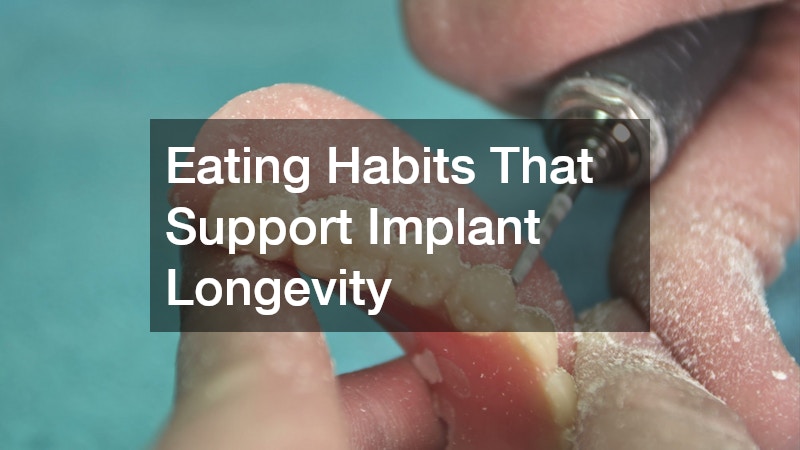
Eating Habits That Support Implant Longevity
Diet plays an important role in maintaining strong oral health and supporting dental implants. A balanced diet rich in vitamins and minerals helps promote healthy gums and bone structure.
Foods that are high in calcium and vitamin D are especially beneficial for maintaining jawbone strength. On the other hand, excessive consumption of sugary or acidic foods can increase the risk of gum disease, which may compromise implant stability.
Patients with dental implant in Omaha, NE are often encouraged to maintain a diet that supports overall oral health while avoiding foods that may cause unnecessary stress on the implant.
Dental implants offer a durable and natural-looking solution for missing teeth, but their success depends on proper care and maintenance. From daily oral hygiene to regular dental visits, every step plays a role in ensuring long-term stability and health. Avoiding harmful habits, maintaining a balanced diet, and monitoring gum health are all essential practices for protecting implants over time.
For patients considering or already receiving dental implant in Omaha, NE, following these care tips can make a significant difference in the longevity and performance of their implants. With the right approach, dental implants can provide a lifetime of confident smiles and improved oral health.