How to Prepare for Your Dental Appointment
Preparing for a dental appointment may seem simple, but taking the right steps beforehand can make your visit smoother, more comfortable, and more productive. Whether you’re going in for a routine cleaning or a more involved procedure, planning ahead helps your dentist provide the best care possible. When you arrive prepared, your dental office can focus on accurate evaluation, personalized treatment, and ensuring a positive experience.
Below is everything you should know to get ready for your next dental visit.
Gather Your Medical and Dental History
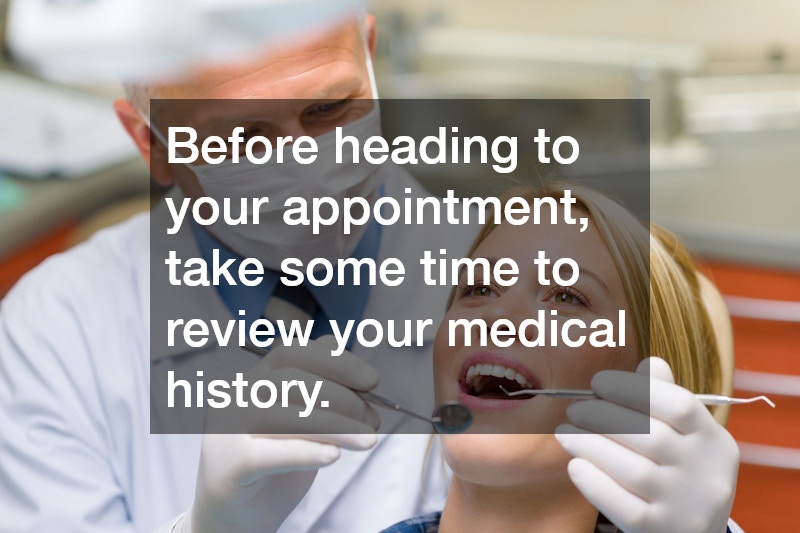
Before heading to your appointment, take some time to review your medical history. Dentists need to know about existing conditions such as diabetes, heart issues, or autoimmune disorders, as these can affect oral health and treatment options.
Make a list of current medications and supplements as well, since certain drugs may cause dry mouth, gum swelling, or complications with anesthesia.
If this is your first visit to a new dental office, bring past dental records if possible. X-rays, notes about previous procedures, and treatment plans help your dentist better understand your oral health story. The more information you provide, the more accurate and efficient your care will be.
Confirm Your Appointment and Arrive Early
Life gets busy, and dental appointments are sometimes forgotten. Be sure to confirm your visit a day or two in advance. Many dental offices send reminders through text or email, but setting your own reminder adds extra peace of mind.
Plan to arrive 10–15 minutes early to fill out paperwork, update insurance information, or review consent forms. Arriving early also ensures you’re relaxed and not rushing, which helps your appointment start on a positive note.
Practice Good Oral Hygiene Before Your Visit
Even though you’re going to the dentist for a cleaning or exam, brushing and flossing before your appointment is still important. A clean mouth allows your dentist to perform a more accurate evaluation without plaque or food debris obstructing their view. Proper hygiene beforehand helps your dental office team provide a more thorough cleaning and spot issues such as gum inflammation or cavities.
Brushing twice a day and flossing daily in the weeks leading up to your appointment also improves the condition of your gums, making exams and cleanings more comfortable.
Take Note of Any Pain or Concerns
Before your visit, think about any issues you’ve noticed—such as tooth sensitivity, jaw discomfort, bleeding gums, or changes in bite alignment. Write them down so you don’t forget to mention them during your exam.
Even small symptoms can help your dentist pinpoint developing conditions. Mentioning concerns early allows your dental office to address problems before they become more serious or costly.
Avoid Eating or Drinking Right Before Your Appointment
While it’s perfectly fine to eat beforehand, it’s best to avoid heavy meals right before your visit. Food particles can get stuck in your teeth, and certain odors may make the experience less pleasant for you and the dental team. If you must eat shortly before the appointment, rinse your mouth well or brush your teeth before arriving.
For procedures involving anesthesia or impressions, your dental office may give special instructions about eating or drinking. Always follow these guidelines carefully.
Bring Your Insurance and Payment Information
Make sure to bring your insurance card, identification, and any required payment methods. Understanding your coverage beforehand helps avoid unexpected expenses. Some dental treatments may not be fully covered, so reviewing benefits with your provider ensures there are no surprises.
If you’re unsure about coverage for procedures like X-rays, fillings, or whitening, call your dental office beforehand to clarify details. This helps you plan financially and reduces stress on the day of your visit.
Wear Comfortable Clothing
Dental appointments can range from quick cleanings to lengthy procedures. Wearing comfortable clothing makes it easier to relax in the chair, especially if your visit involves X-rays or extended work.
Avoid strong perfumes or fragrances as a courtesy to staff and other patients, some of whom may have sensitivities.
Communicate Any Anxiety or Past Difficulties
Dental anxiety is more common than many people realize. If you feel nervous or have had negative experiences in the past, let your dental team know. A good dental office will work with you to provide a calm and supportive environment. They may offer comfort options such as blankets, music, or breaks during the procedure.
For severe anxiety, some dental offices offer sedation options. Talking openly about your concerns helps your dentist tailor the visit to your comfort level.
Follow Pre-Appointment Instructions for Specific Procedures
If you’re scheduled for something other than a routine cleaning—such as a root canal, extraction, whitening, or crown placement—your dentist may give you instructions to follow beforehand. These may include:
-
Avoiding certain medications
-
Taking prescribed antibiotics
-
Not eating before sedation
-
Bringing someone to drive you home
Always read and follow instructions carefully to ensure a safe and successful procedure.
Prepare Questions You Want to Ask
Your dental appointment is a great opportunity to get answers to your oral health questions. Consider asking about:
-
Improving brushing or flossing habits
-
Treatment options for specific issues
-
Cosmetic procedures
-
Preventive care tips
-
Recommended products such as toothpaste or mouthwash
Dentists appreciate proactive patients, and discussing concerns helps you take better control of your oral health.
Preparing for your dental appointment doesn’t require much time, but it makes a huge difference in the quality of your care. By organizing medical information, practicing good oral hygiene, communicating concerns, and understanding your insurance, you help your dental office deliver the most efficient and personalized treatment possible.
With the right preparation, your visit becomes smoother, more comfortable, and more beneficial for your long-term oral health.